Operation Iraqi Freedom 2.0
26 photosArchival photographs from Iraq, taken in 2008 with an amateur Nikon D80 camera and a budget lens, now restored using AI. My cameraman Nikolai Kishenin and I traveled to Baghdad at the invitation of Kazakhstan's Ambassador to Jordan, Bulat Sarsenbayev. At the time, Kazakhstan was establishing diplomatic relations with Iraq's new government, and our ambassador to Jordan had been appointed to serve concurrently as ambassador to Iraq. Bulat Sarsenbayev was scheduled to fly to Baghdad to present his diplomatic credentials to the Iraqi president and foreign minister, in accordance with international diplomatic protocol. To ensure the ambassador's security, Kazakhstan's Ministry of Foreign Affairs hired a British-Iraqi private military company (PMC). The company's security personnel charged several thousand dollars per day to protect a single client. To make the most of this considerable expense, Bulat Sarsenbayev invited a crew from Kazakhstan's state television broadcaster to accompany him. The flight from Amman, the capital of Jordan, to Baghdad takes just over an hour. However, in those days, this route was considered one of the most dangerous in the Middle East. Civilian aircraft occasionally came under fire. Officially, we were flying with Royal Jordanian, but the aircraft had been wet-leased from an airline in some impoverished African country. It was an ancient Boeing 737-200, with no airline markings on its fuselage and an entirely African crew. By that time, Saddam Hussein and his closest associates had been dead for about two years, having been executed following verdicts handed down by an Iraqi court. Nevertheless, the U.S.-led coalition's military operation, known as Operation Iraqi Freedom, was still underway. As is widely known, Barack Obama officially declared the end of the U.S. combat mission in Iraq in 2010. Baghdad in 2008 had effectively become a vast military battleground. We spent four days in the city, and every single day we heard explosions and bursts of automatic gunfire. Something seemed to be burning constantly in different parts of Baghdad, with thick black smoke rising into the sky. Columns of armored vehicles moved through the streets, while military helicopters flew overhead. This was my first — and most disturbing — impression of the trip. It was difficult to comprehend how a city at war could simultaneously maintain something resembling normal civilian life. The enormous city, with a population of more than eight million, had been divided into sectors separated by permanent military checkpoints. Passing through them without special authorization was virtually impossible. Whenever we traveled around Baghdad, we were accompanied by two armed British security contractors. Our vehicle was an old-school armored Mercedes-Benz E-Class, disguised to look like an ordinary Iraqi civilian car. Riding in such a vehicle was a rather peculiar experience. It felt as though you were inside a submarine, watching people outside through incredibly thick bulletproof glass, their figures distorted like fish in an aquarium. We stayed in Baghdad's heavily fortified Green Zone, at the famous high-rise Al-Rasheed Hotel. My cameraman and I shared a room that cost $500 per night. Fortunately, it was on the 21st floor, offering a spectacular view of the city. My second striking impression of Baghdad was its highly distinctive architectural style, quite unlike that of modern metropolitan cities. I suspect much of it was a legacy of Saddam Hussein, who was known for his passion for constructing unusual buildings and extravagant palaces. Filming in Baghdad was extremely difficult, so we managed to gather relatively little footage. Overall, the trip left me with a deeply unsettling and oppressive impression. From personal experience, I know that every armed conflict carries a certain disturbing atmosphere — an almost tangible sense of tension and danger. Who could have imagined back then that Almaty and several other cities in Kazakhstan would experience something similar in 2022? And Iraq itself still had another devastating chapter ahead: the full-scale war against ISIS that erupted in 2014. I sincerely hope that life for the people of this long-suffering Middle Eastern country is much better today than it was back then.
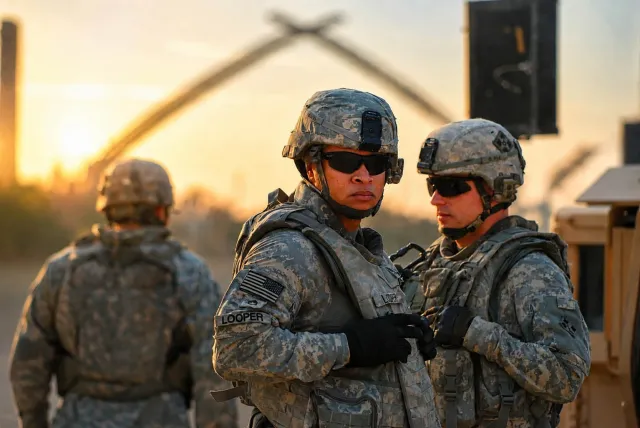 U.S. military personnel at the Swords of Qadisiyah monument, one of Baghdad's most famous landmarks
Operation Iraqi Freedom 2.0
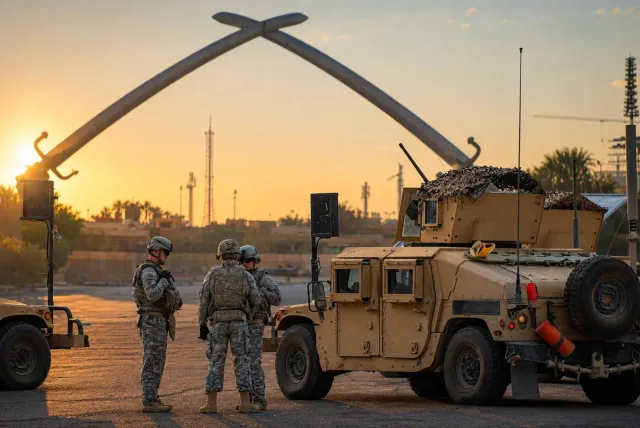 U.S. military personnel at the Swords of Qadisiyah monument, one of Baghdad's most famous landmarks.
Operation Iraqi Freedom 2.0
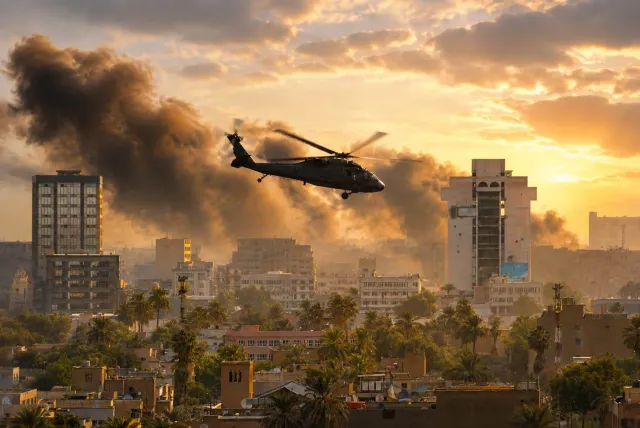 The aftermath of a terrorist attack in Baghdad — an assassination attempt on Iraq’s Minister of Labor. A suicide bomber attacked the minister’s convoy, but the minister survived. Several of his bodyguards were killed.
Operation Iraqi Freedom 2.0
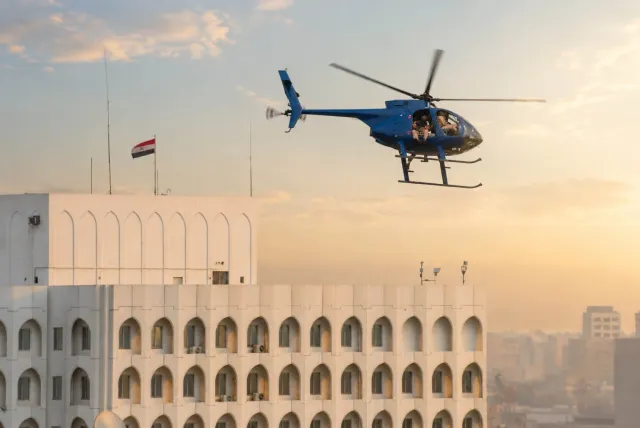 Every morning, a helicopter carrying special forces personnel flew over the buildings in Baghdad’s Green Zone. As far as I could tell, they were searching for snipers on the rooftops
Operation Iraqi Freedom 2.0
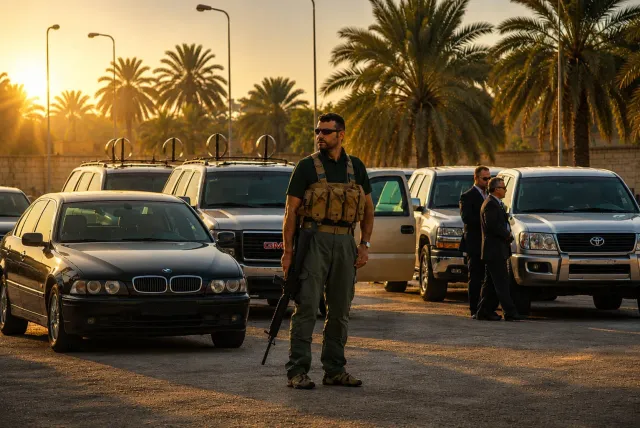 Security personnel outside the Iraqi Ministry of Foreign Affairs
Operation Iraqi Freedom 2.0
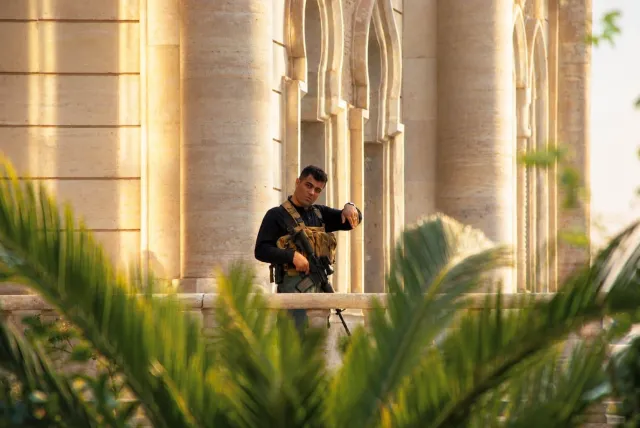 Security personnel outside the Iraqi Ministry of Foreign Affairs
Operation Iraqi Freedom 2.0
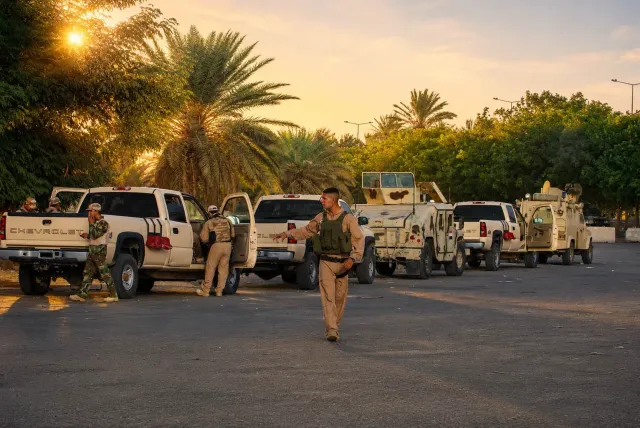 Iraqi military convoy
Operation Iraqi Freedom 2.0
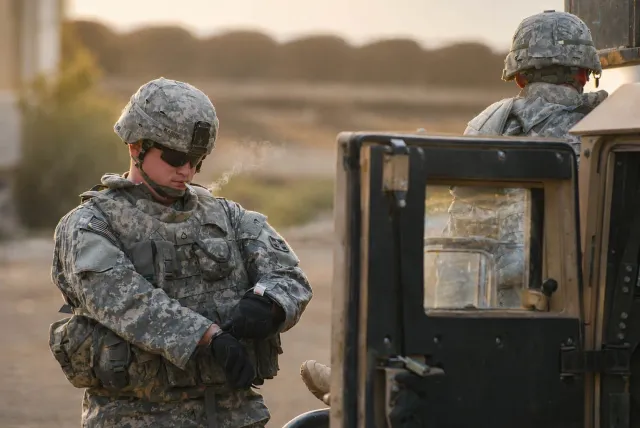 U.S. military personnel at the Swords of Qadisiyah monument, one of Baghdad's most famous landmarks
Operation Iraqi Freedom 2.0
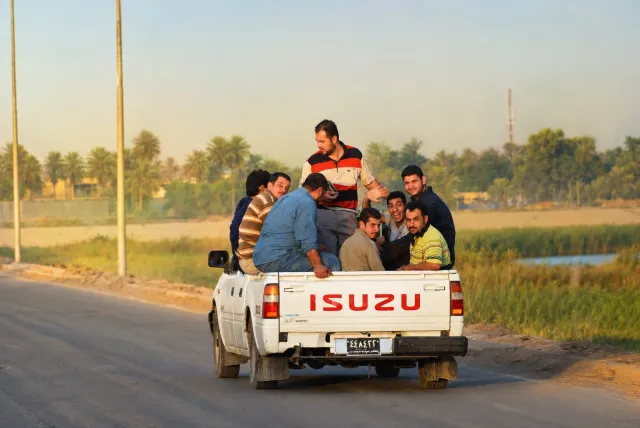 Baghdad residents on their way somewhere...
Operation Iraqi Freedom 2.0
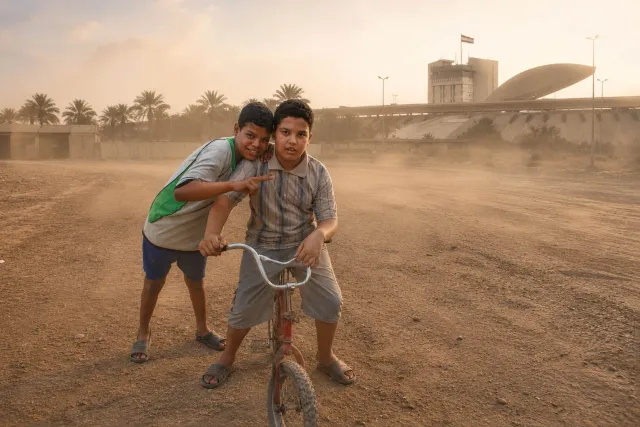 Baghdad boys. They're probably all grown up by now...
Operation Iraqi Freedom 2.0
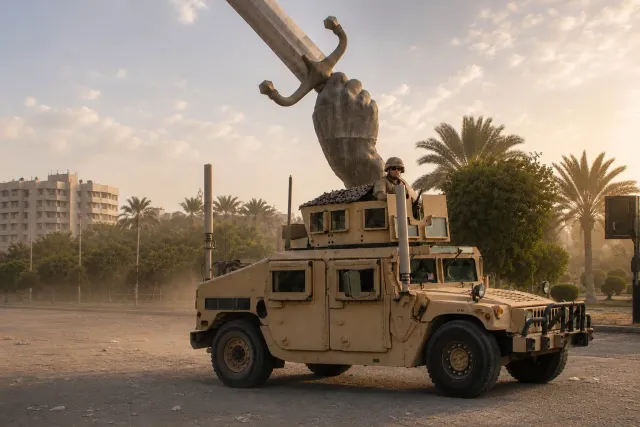 U.S. military personnel at the Swords of Qadisiyah monument, one of Baghdad's most famous landmarks
Operation Iraqi Freedom 2.0
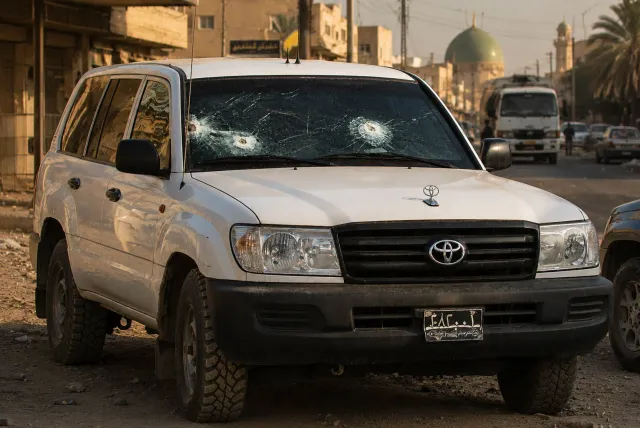 Someone got really lucky!
Operation Iraqi Freedom 2.0
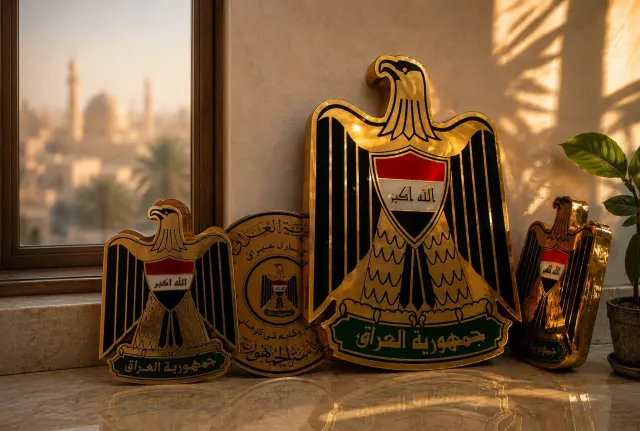 Saddam Hussein-era coats of arms at the Iraqi Ministry of Foreign Affairs. Apparently, they kept them as souvenirs...
Operation Iraqi Freedom 2.0
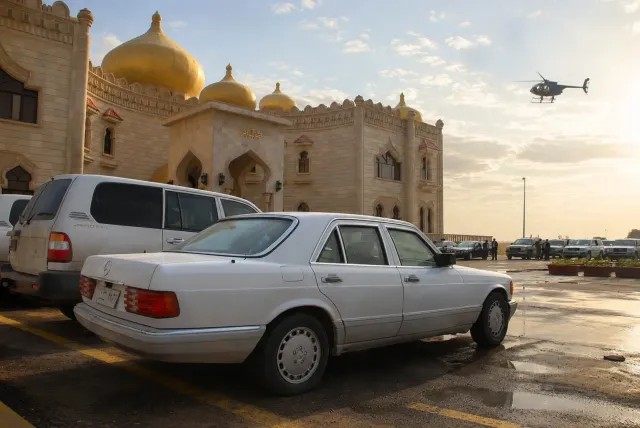 The Iraqi Ministry of Foreign Affairs and that very Mercedes that drove us around...
Operation Iraqi Freedom 2.0
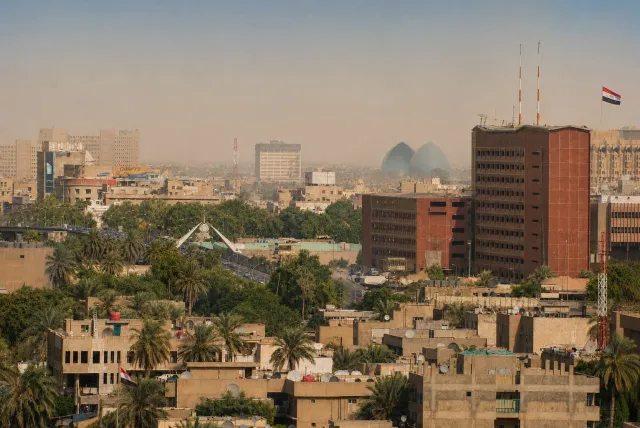 View of Baghdad from my room at the Al-Rasheed Hotel
Operation Iraqi Freedom 2.0
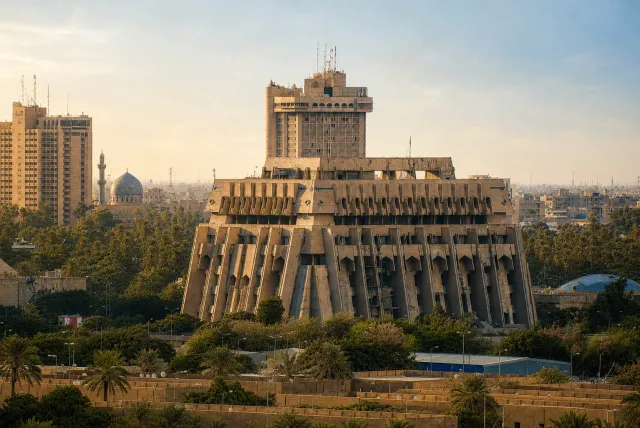 View of Baghdad from my room at the Al-Rasheed Hotel
Operation Iraqi Freedom 2.0
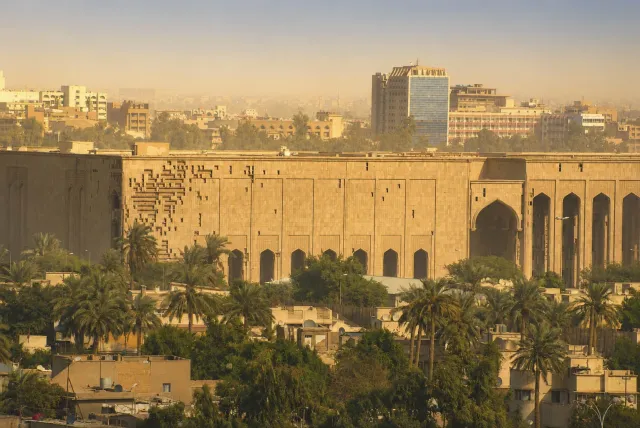 View of Baghdad from my room at the Al-Rasheed Hotel
Operation Iraqi Freedom 2.0
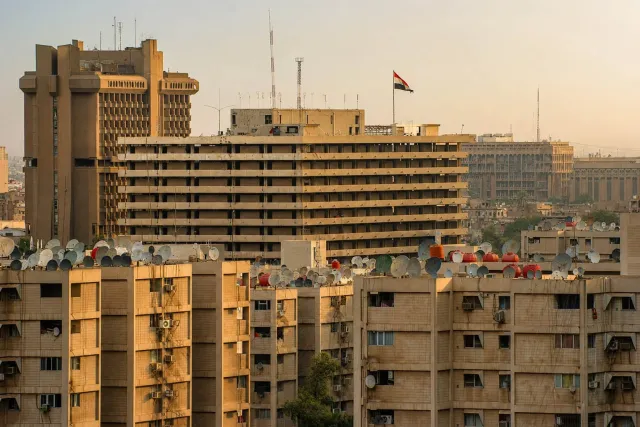 View of Baghdad from my room at the Al-Rasheed Hotel
Operation Iraqi Freedom 2.0
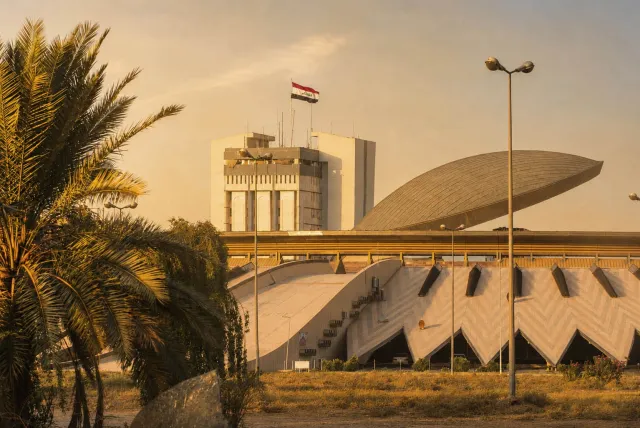 Baghdad’s unusual architecture
Operation Iraqi Freedom 2.0
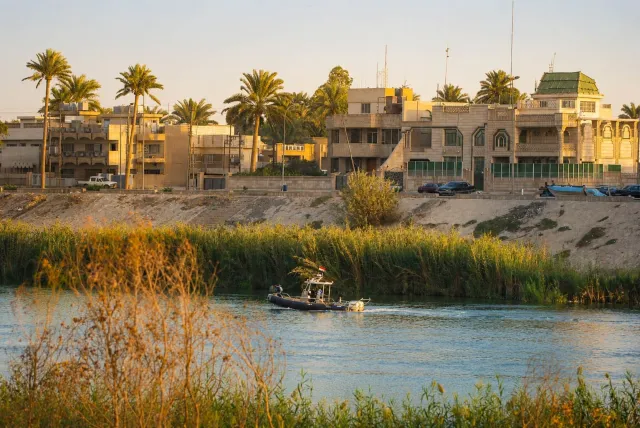 Baghdad is situated on the banks of the Tigris River
Operation Iraqi Freedom 2.0
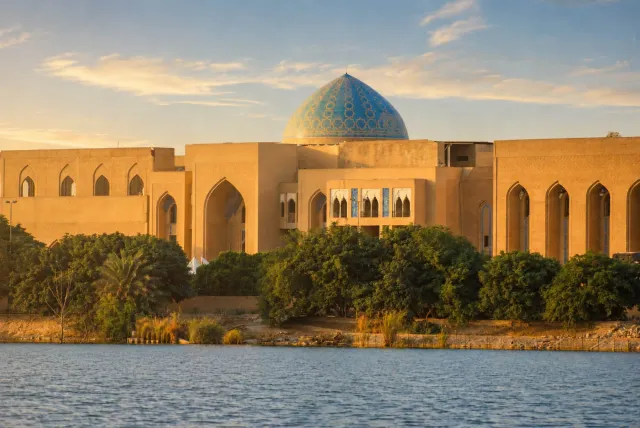 Baghdad’s unusual architecture
Operation Iraqi Freedom 2.0
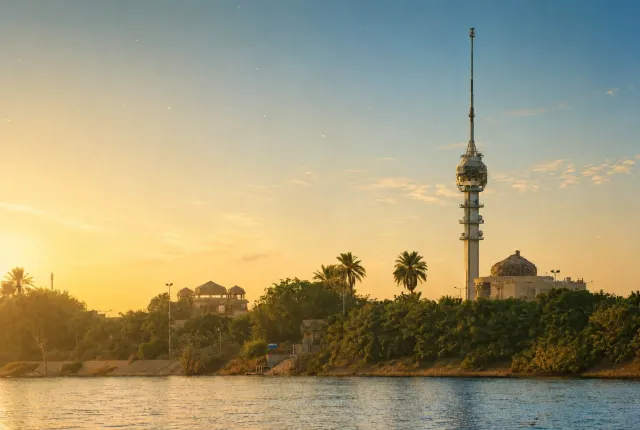 Baghdad’s unusual architecture
Operation Iraqi Freedom 2.0
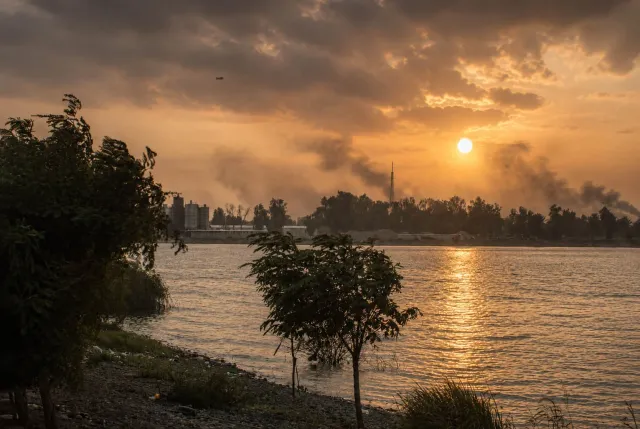 Baghdad in 2008...
Operation Iraqi Freedom 2.0
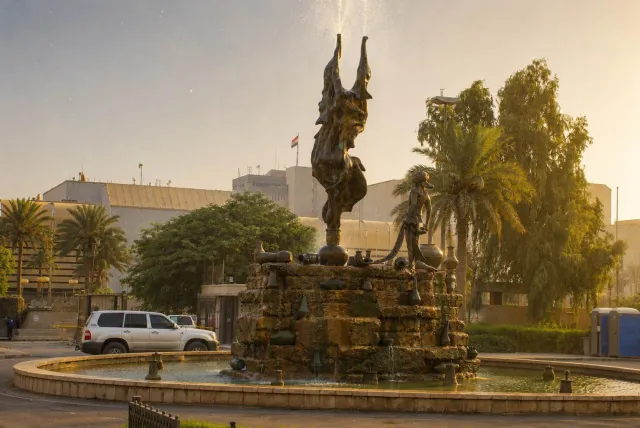 Baghdad’s unusual architecture
Operation Iraqi Freedom 2.0