
The Last Encounter with Buran 2.0
13 photosIn the spring of 1999, I traveled to the Baikonur Cosmodrome on assignment with cameraman Nikolai Kishenin to cover the maiden launch of the Dnepr launch vehicle. It was a joint Russian-Ukrainian-Kazakh project aimed at converting decommissioned RS-20 Voevoda intercontinental ballistic missiles (SS-18 Satan) into launch vehicles capable of placing spacecraft into orbit. The launch was successful. We stayed at Baikonur for a few more days, during which we were given a rare opportunity to visit Site 112 — the assembly and testing complex that housed two fully assembled Energia launch vehicles and the Buran orbiter, which had completed its only spaceflight on November 15, 1988. By that time, the Energia–Buran program had been discontinued for seven years. Its ground infrastructure was gradually deteriorating. Facilities belonging to the complex were being transferred to Kazakhstan, while the enormous hangar itself had effectively become a kind of museum dedicated to the final achievements of the Soviet space program. The sheer scale of the building was astonishing. It stood roughly as tall as a 20-story building and covered an area equivalent to approximately six football fields. Inside were rockets, test stands, engines, upper stages, and an enormous array of specialized technical equipment. Together, they formed an extraordinarily sophisticated industrial complex built to support one of the most ambitious space programs of the 20th century. We were allowed to move freely around the hangar and even climb up to the overhead crane's maintenance platform, just beneath the roof. From that height, the view was breathtaking: far below us stood the massive structures of Energia and Buran. Only from such a vantage point could we truly appreciate their immense size and remarkable engineering sophistication. The experience left me with mixed emotions. On the one hand, there was admiration for the extraordinary achievements of thousands of scientists, designers, and engineers. On the other, there was a profound sense of frustration at the realization that this unique system, developed at the cost of immense intellectual effort and material resources, had already become a part of history. At the time, we had no idea that we were filming a spacecraft that had only three years left to exist. On May 12, 2002, the roof of the assembly and testing building at Site 112 collapsed. The Buran orbiter and an Energia launch vehicle were buried beneath the wreckage. These unique examples of space technology were lost forever. For me, this disaster marked the symbolic end of one of the most ambitious technological megaprojects of the Soviet era. P.S. The images have been restored using AI.
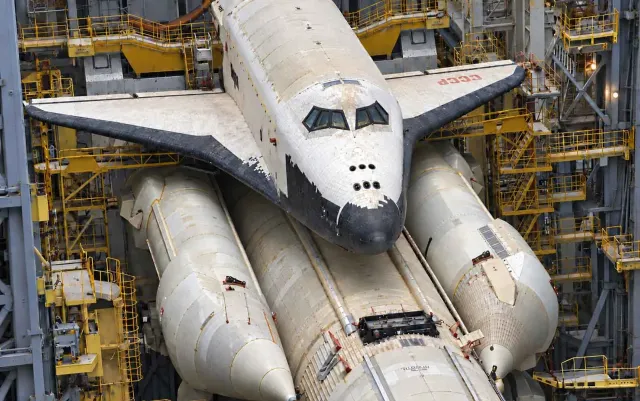 The Energia–Buran Reusable Space Transportation System
The Last Encounter with Buran 2.0
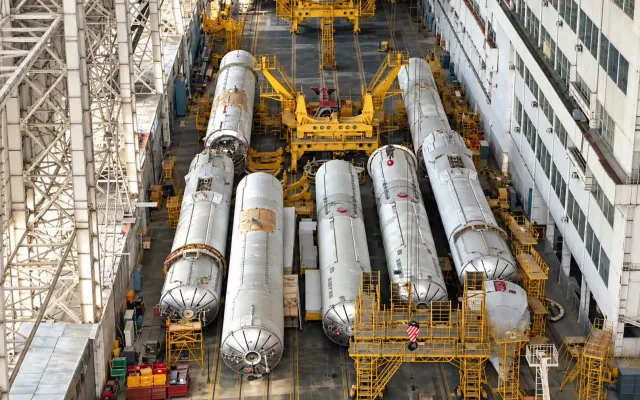 The Energia Launch Vehicle's Side Boosters
The Last Encounter with Buran 2.0
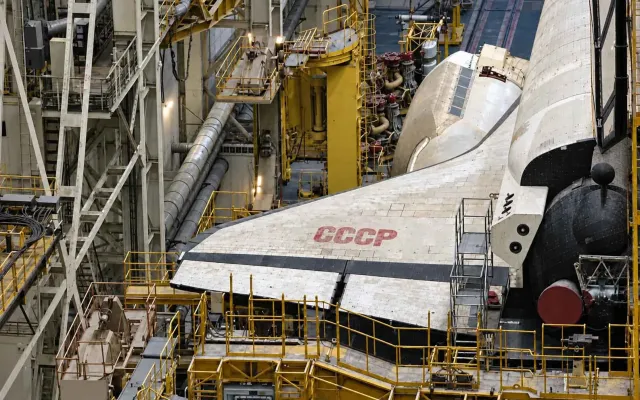 The “USSR” Inscription on the Spacecraft’s Wing
The Last Encounter with Buran 2.0
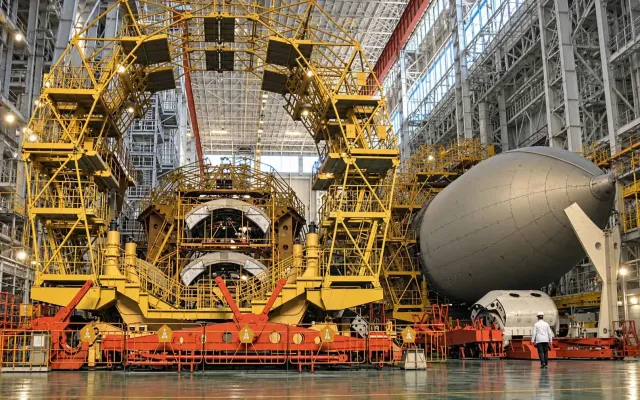 Assembly and Testing Complex, Site 112
The Last Encounter with Buran 2.0
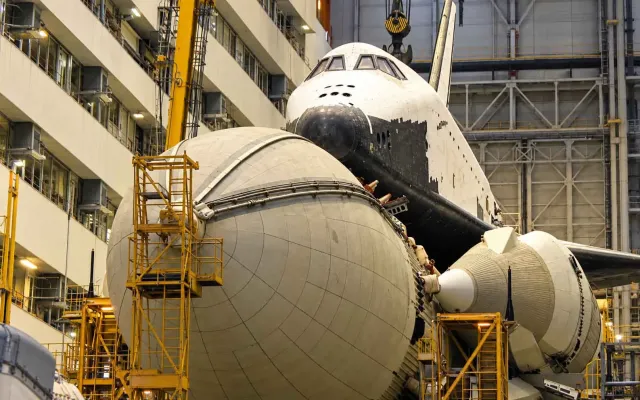 The Energia Launch Vehicle and the Buran Space Shuttle
The Last Encounter with Buran 2.0
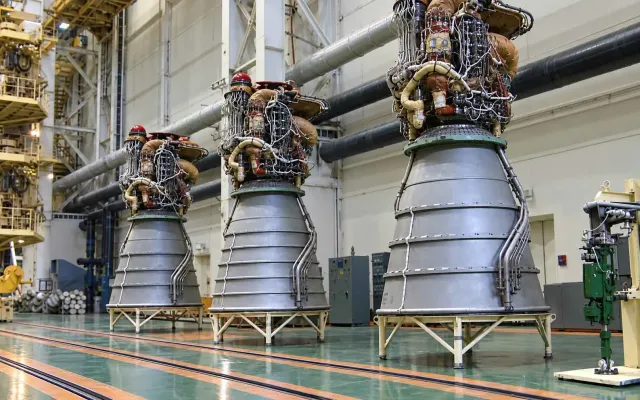 RD-0120 Engines of the Energia Launch Vehicle's Core Stage
The Last Encounter with Buran 2.0
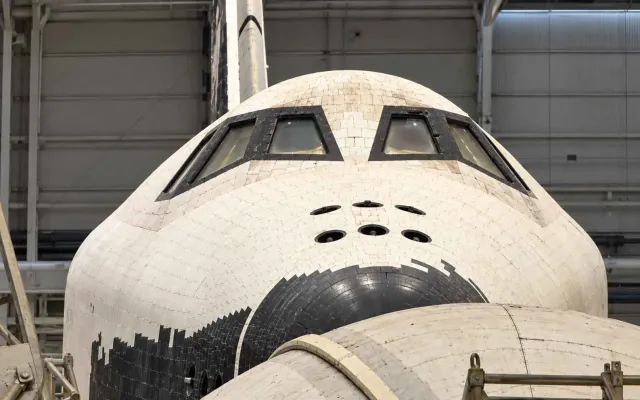 The Buran Reusable Space Shuttle
The Last Encounter with Buran 2.0
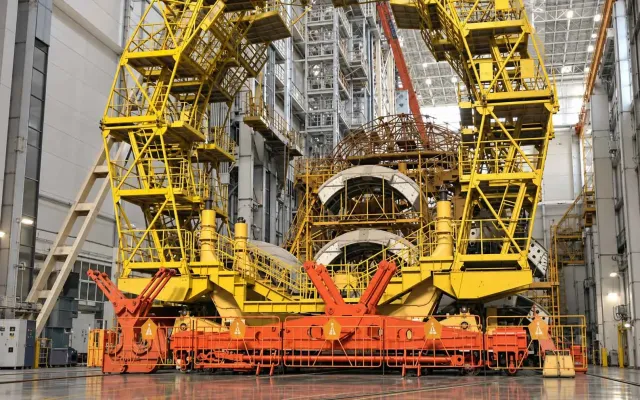 A Giant Assembly Platform for Installing Rocket Equipment
The Last Encounter with Buran 2.0
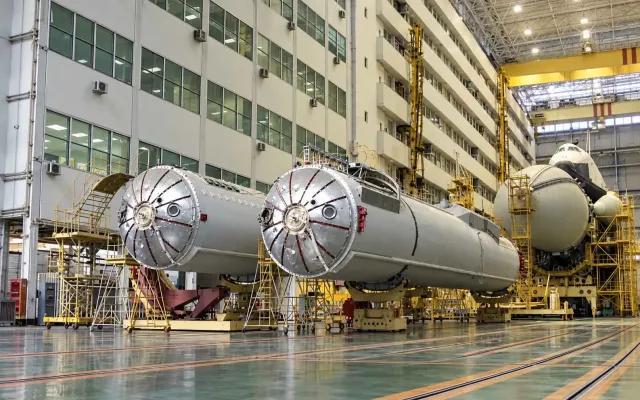 First-Stage Strap-On Boosters of the Energia Launch Vehicle
The Last Encounter with Buran 2.0
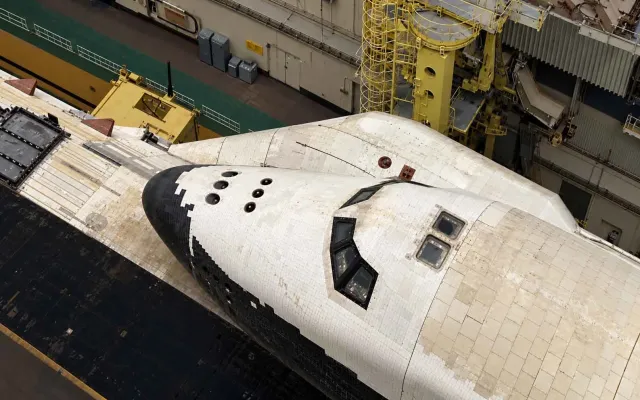 The Nose Section of the Buran Space Shuttle, Including the Flight Deck
The Last Encounter with Buran 2.0
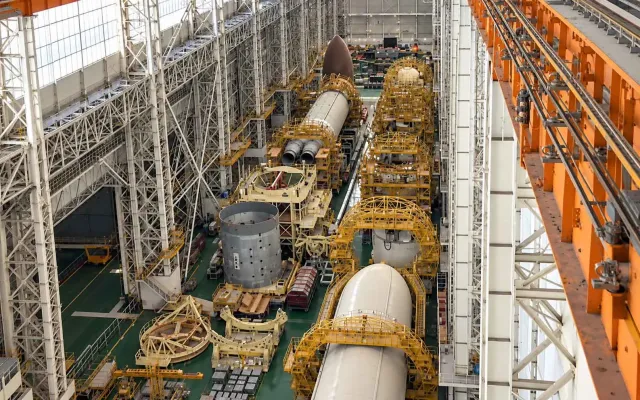 Equipment Storage Area
The Last Encounter with Buran 2.0
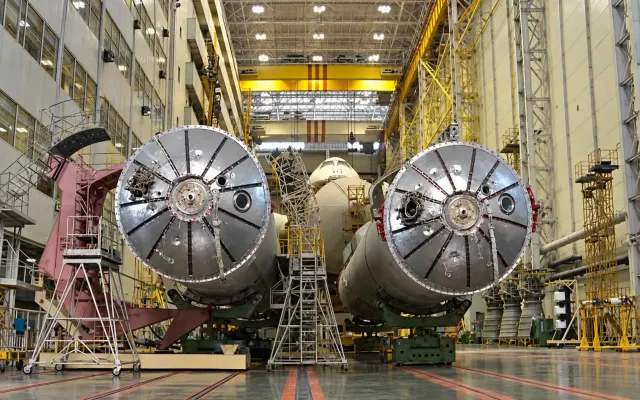 Equipment Storage Area
The Last Encounter with Buran 2.0
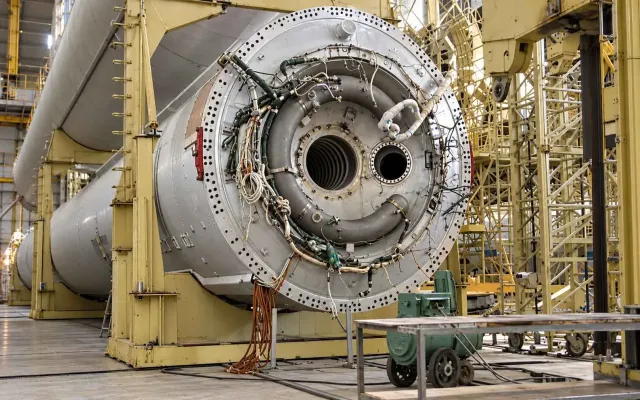 One of the Four First-Stage Strap-On Boosters
The Last Encounter with Buran 2.0