
Taliban: face to face 2.0
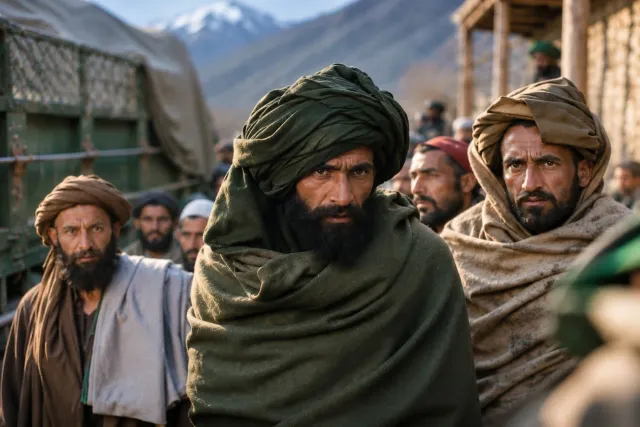
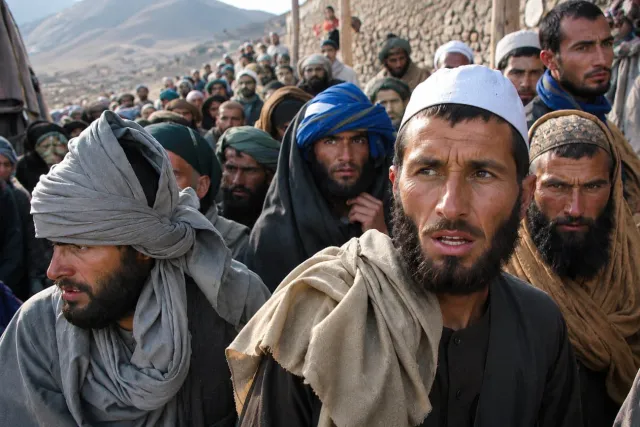
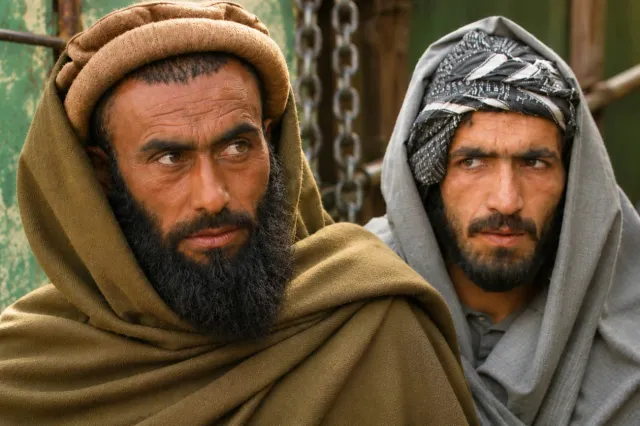
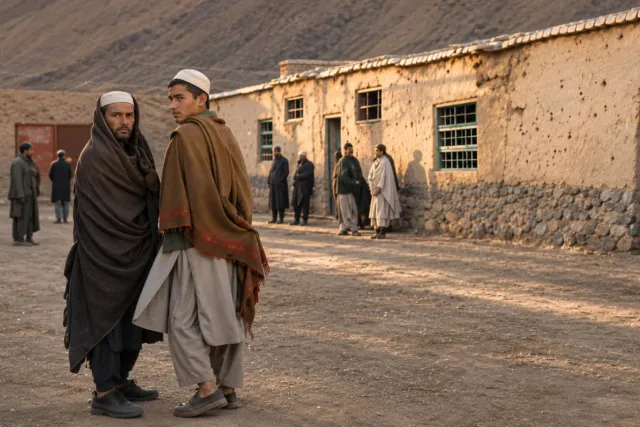
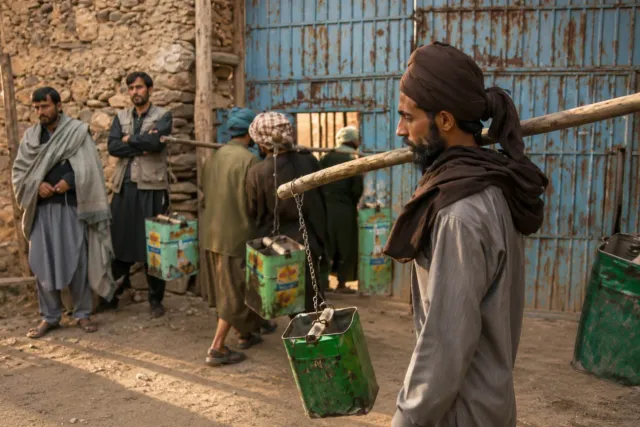
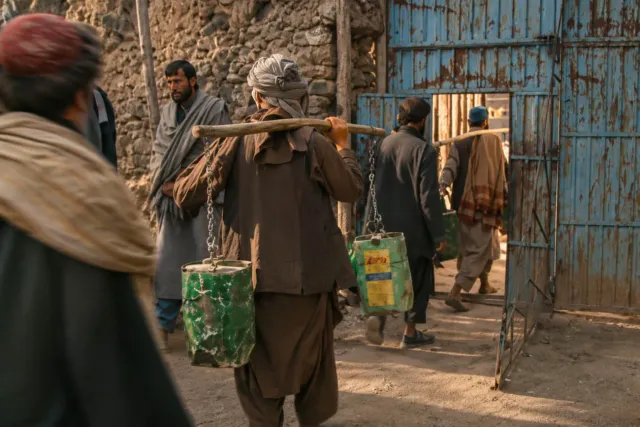
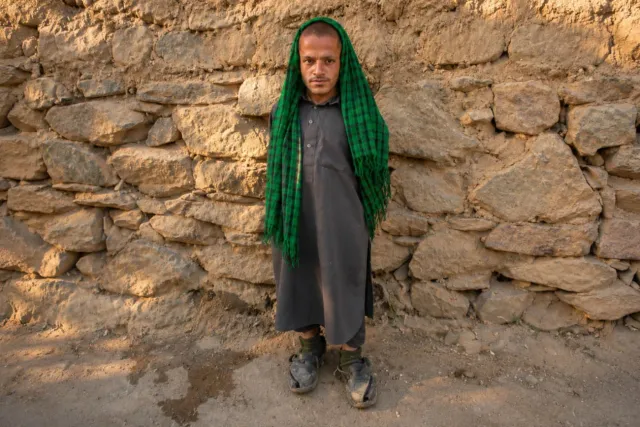
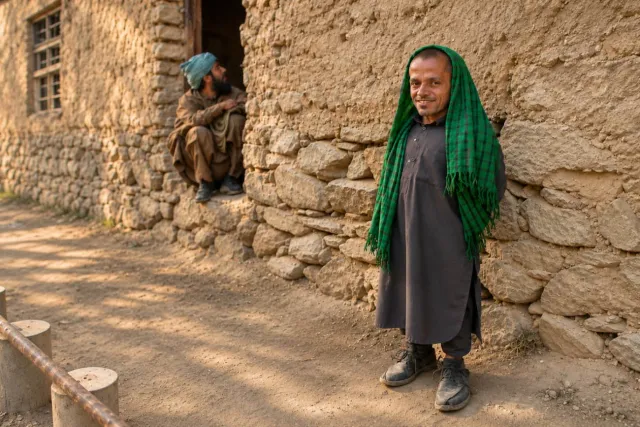
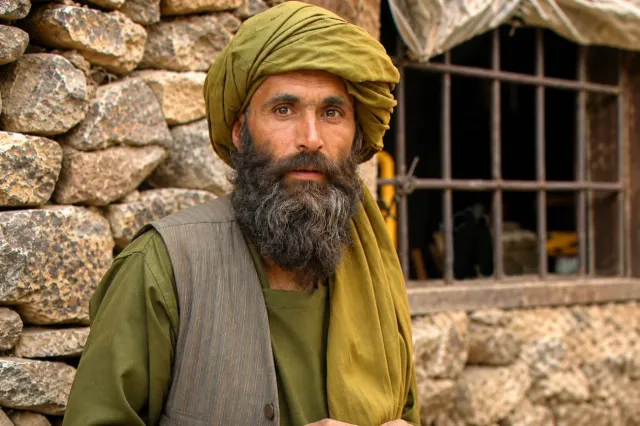
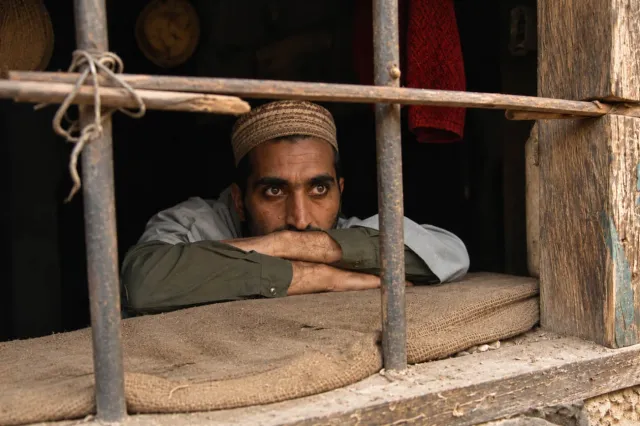
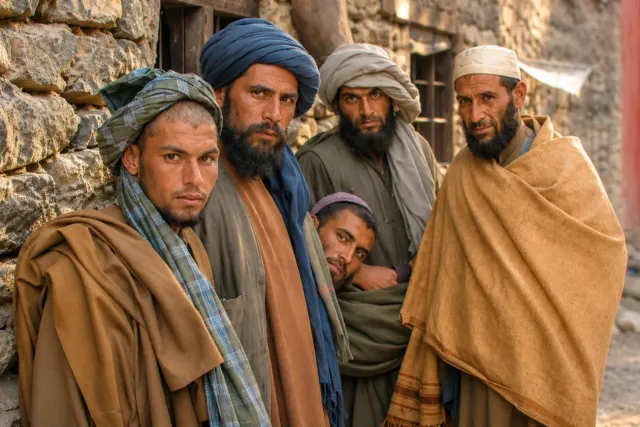
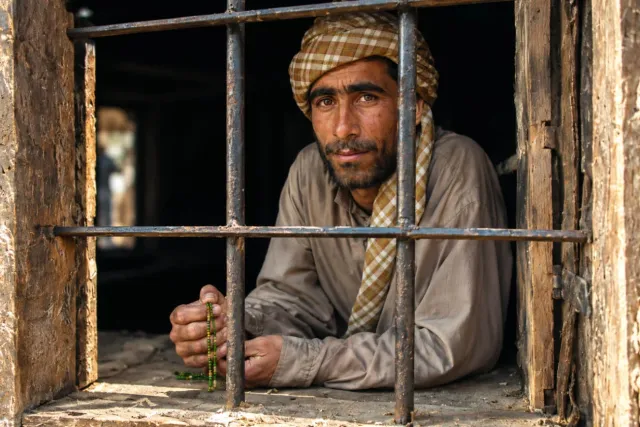
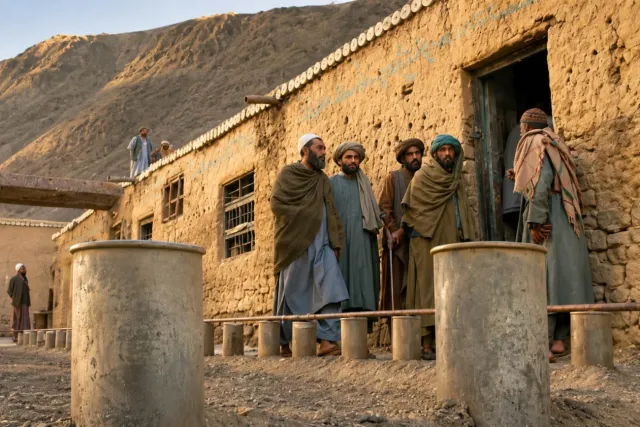
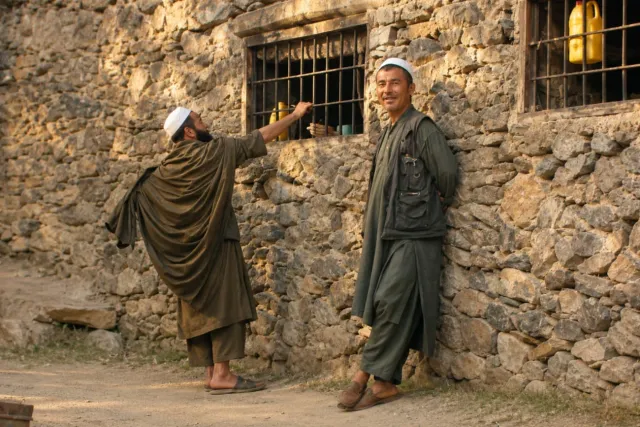
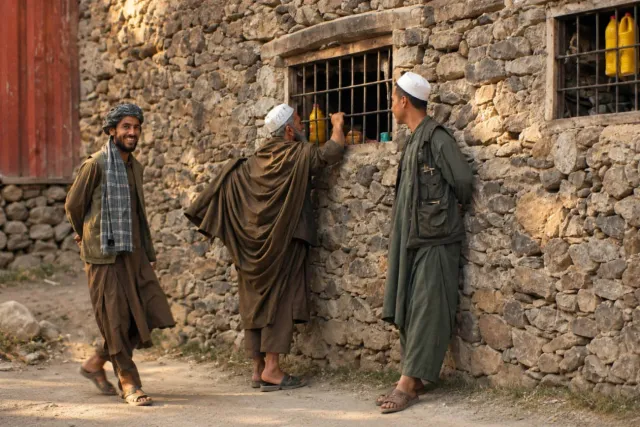
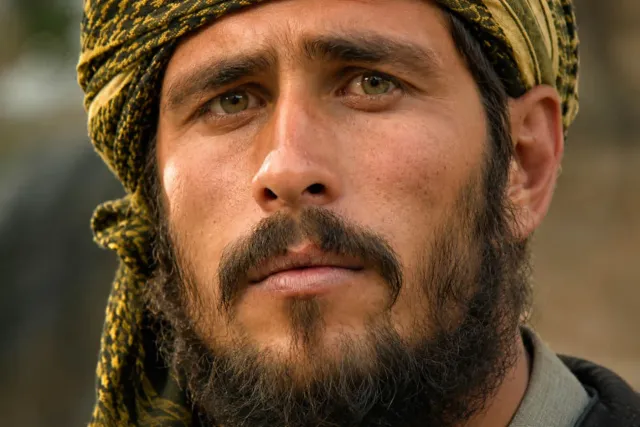
34 photosI first encountered these guys during my very first assignment to Afghanistan in April 2001. By that time, Taliban fighters had seized control of almost the entire country, pushing the remnants of the Northern Alliance (the United Islamic Front for the Salvation of Afghanistan, effectively a coalition of warlords) back towards the Tajik border. One of the last strongholds of resistance was the Panjshir Valley, held by forces loyal to Northern Alliance leader Ahmad Shah Massoud. The situation was becoming increasingly threatening, not only for Afghanistan but also for the countries of Central Asia. The idea was to support the Northern Alliance by any means available. A visit by a group of Kazakhstani journalists to Massoud was intended to be the first step in that direction. Our group consisted of two correspondents — myself and a colleague from Kontinent magazine (whose editor at the time was Sultan Akimbekov) — cameraman Khasen Omarkulov, and two officers from the Foreign Intelligence Service of Kazakhstan's National Security Committee (KNB). I'll tell the story of how we reached Panjshir, whom we met, and what we filmed another time. That's a story in its own right. Suffice it to say, there was no shortage of danger and adventure. As happens in any war, some combatants on both sides inevitably end up as prisoners. The Taliban were no exception. Massoud was holding around 300 captured fighters in a camp deep in the mountains. They were men of different ages and from various ethnic groups across Afghanistan. The prison itself resembled a small Afghan village, or kishlak, consisting of several single-storey buildings. Inside, conditions were cramped, the air was stifling, and the stench was overwhelming. The Taliban prisoners looked after themselves: they cooked their own meals, fetched water under guard, and carried out other daily chores. Every three days, this motley crowd was marched in formation to a nearby mountain river to wash. Generally speaking, judging by their appearance and mood, the prisoners did not seem to be suffering too badly. Nor did they strike me as ignorant or uneducated. Nevertheless, religious texts appeared to be virtually their only source of information and their principal form of entertainment. One prisoner in particular stayed in my memory: a man of exceptionally short stature named Akhtar Ali. When we asked how this unfortunate fellow had ended up in the dungeon, our escorts told us a rather amusing story. Because of his physical condition, Akhtar Ali was unable to work. He lived in poverty and often went hungry. The Taliban persuaded him to assassinate the warlord Haji Abdul Qadir, a moderate Islamist and one of the active members of the Northern Alliance. Akhtar Ali was supposed to approach him and throw a live grenade. At the last moment, however, he lost his nerve. His second attempt was rather more elaborate. Akhtar Ali came to Haji Qadir's house, asked for something to eat, and requested permission to stay overnight. Once everyone had fallen asleep, he crept into the warlord's bedroom, drew a knife, and prepared to strike. But Haji Qadir woke up at the very last moment. He was a powerful man, and the hapless would-be assassin was promptly sent flying across the room into the opposite wall. All in all, the entire experience left me with an utterly surreal impression. What eventually became of those Taliban prisoners is anyone's guess. Just a few months after our assignment, Ahmad Shah Massoud was assassinated. Two days later, the September 11 terrorist attacks took place in the United States. Soon afterwards, the US military operation in Afghanistan began, followed by almost twenty years of military presence by the United States and its allies.
 Taliban: face to face 2.0
 Taliban: face to face 2.0
 Taliban: face to face 2.0
 Taliban: face to face 2.0
 Taliban: face to face 2.0
 Taliban: face to face 2.0
 Taliban: face to face 2.0
 Taliban: face to face 2.0
 Taliban: face to face 2.0
 Taliban: face to face 2.0
 Taliban: face to face 2.0
 Taliban: face to face 2.0
 Taliban: face to face 2.0
 Taliban: face to face 2.0
 Taliban: face to face 2.0
 Taliban: face to face 2.0
 Taliban: face to face 2.0
 Taliban: face to face 2.0
 Taliban: face to face 2.0
 Taliban: face to face 2.0
 Taliban: face to face 2.0
 Taliban: face to face 2.0
 Taliban: face to face 2.0
 Taliban: face to face 2.0